Bookshelf
21 books that shaped how I think — with personal notes on each one.

STEPPS is a clean framework for thinking about why content spreads. Practical enough to apply immediately.
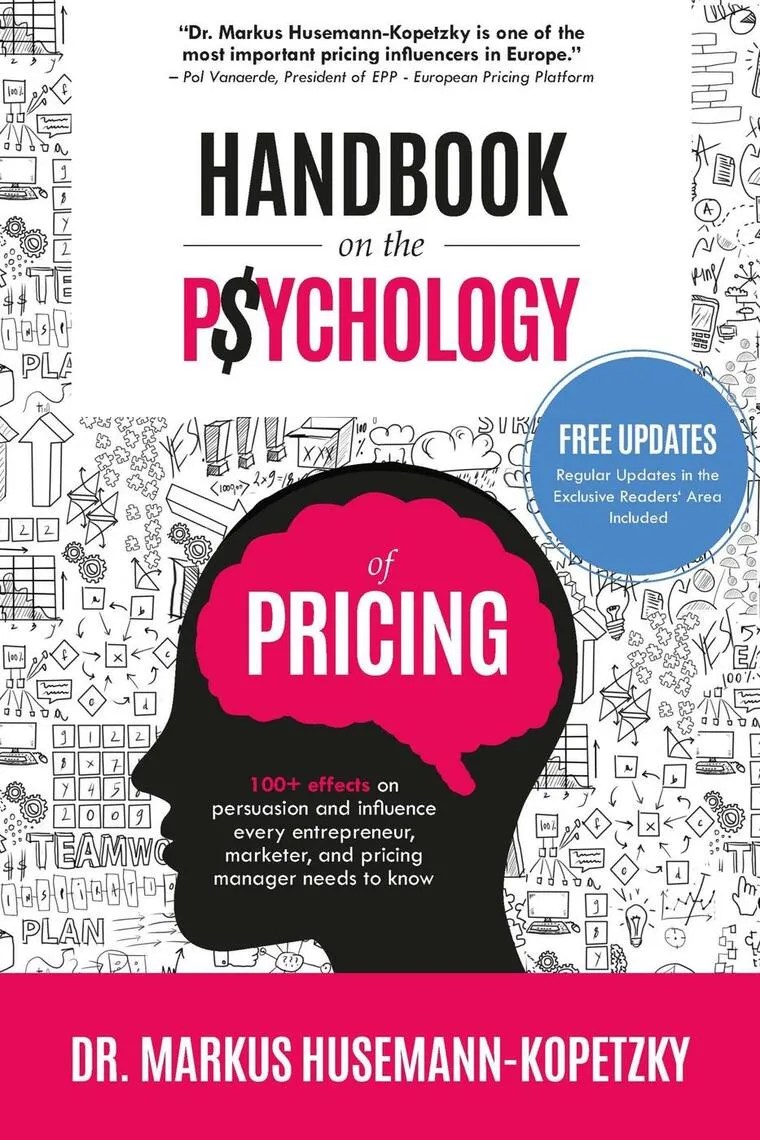
The most comprehensive collection of pricing psychology I've found. More than 100 effects — deeply useful for anyone selling anything.
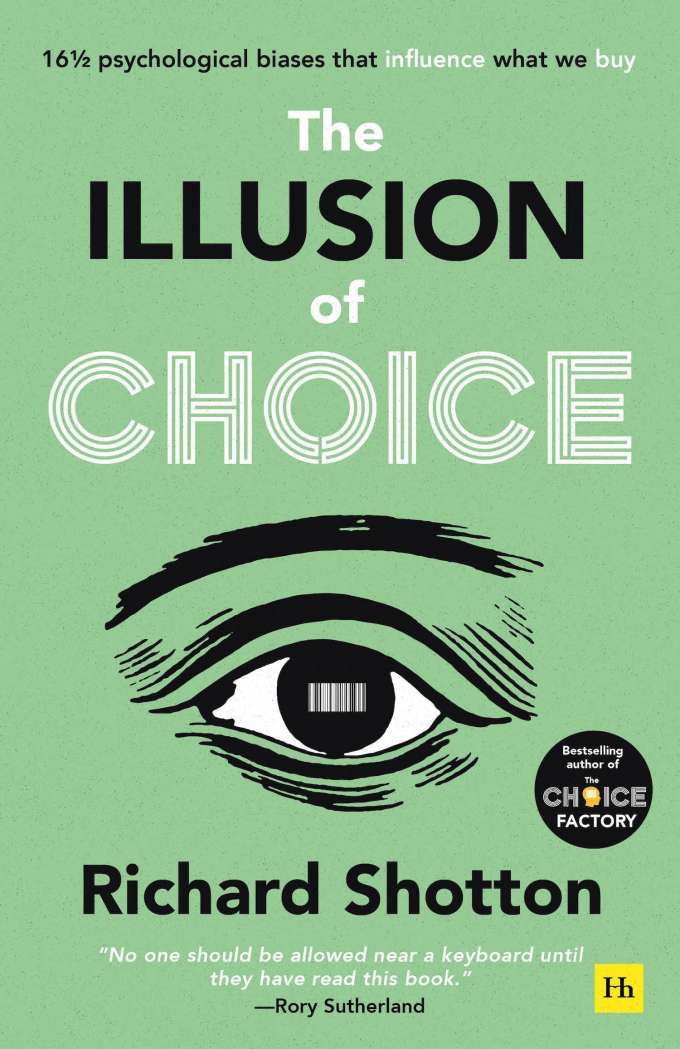
16½ biases that shape what we buy. Shotton is a practitioner, not just a theorist — the field studies make this one stand out.
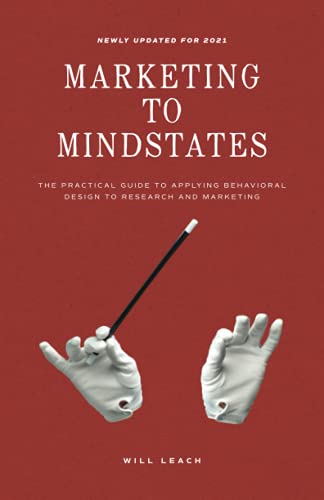
Behavioral design applied to marketing research. The Mindstate Model is the most useful framework I've encountered for understanding what actually drives decisions.
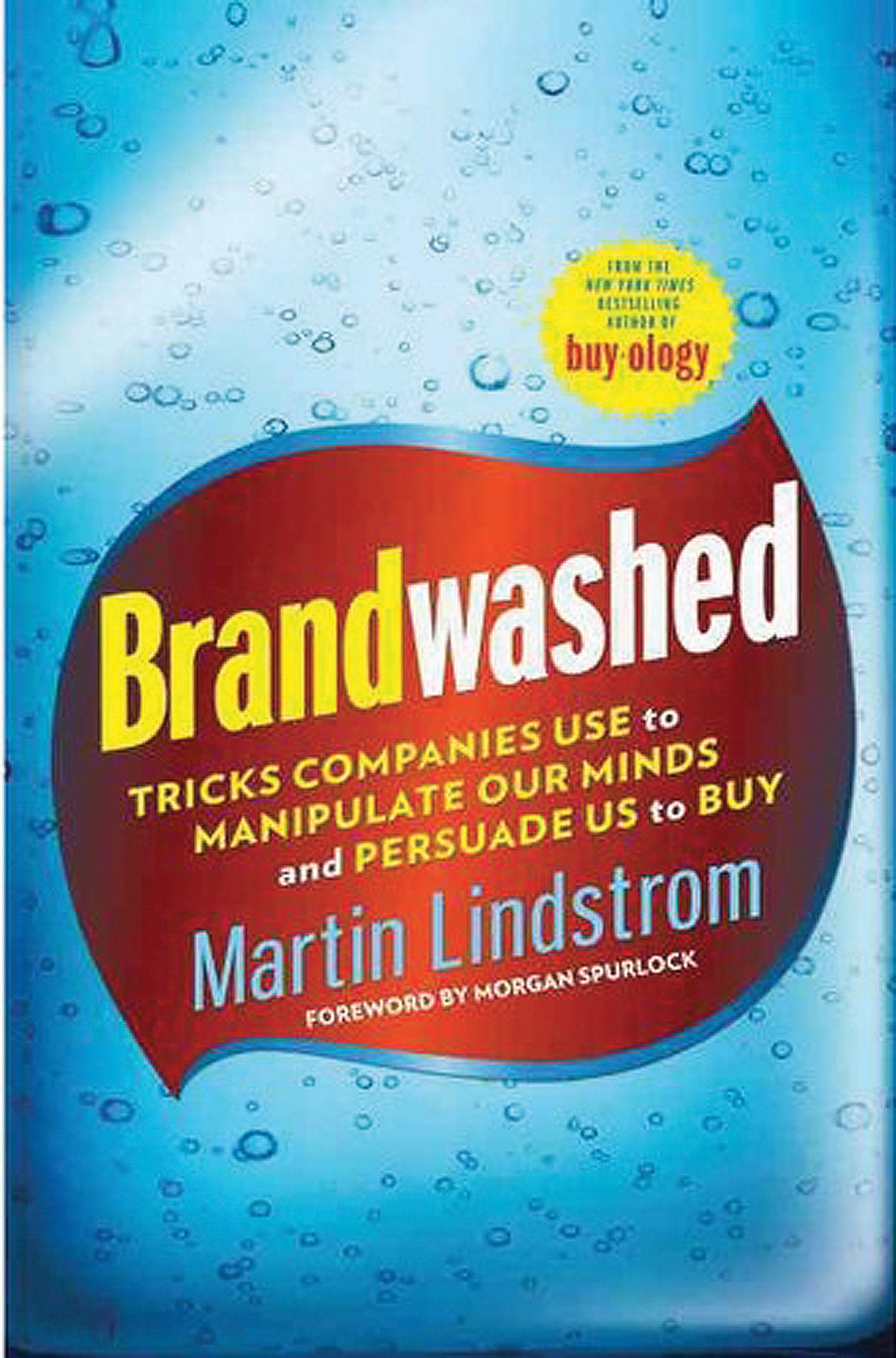
The darker companion to Buyology. Lindstrom turns the spotlight on his own industry and doesn't flinch.
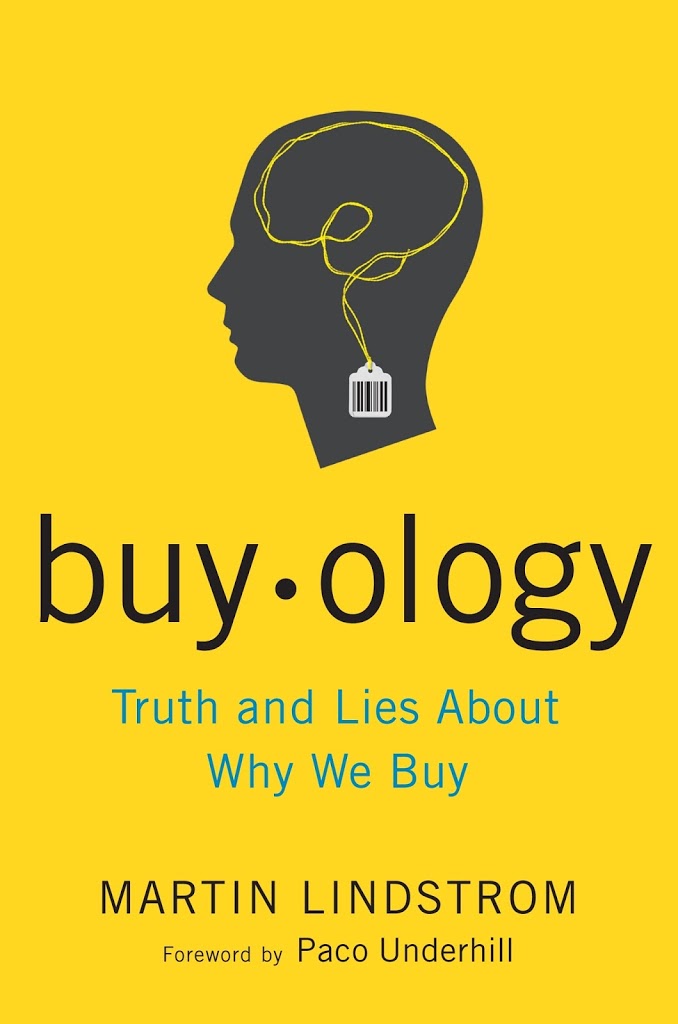
Neuromarketing in practice. Pairs well with Cialdini — one tells you what levers exist, this one shows how deep they go.
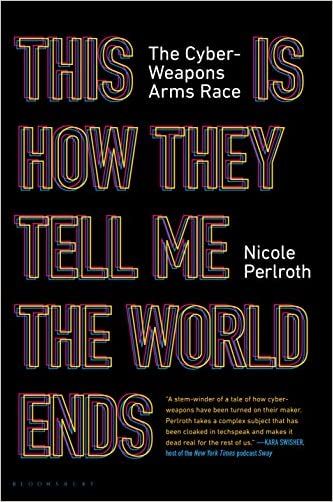
The most unsettling book I've read in years. The zero-day market makes the case for Monero more clearly than anything I could write.
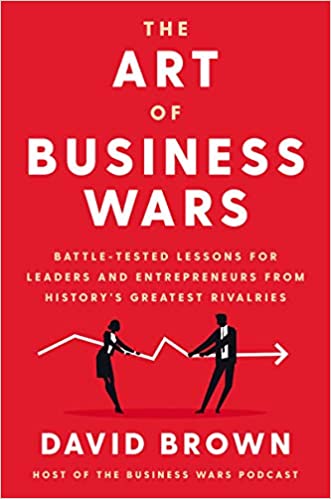
Sun Tzu applied to business rivalries. Brown's storytelling through the Business Wars lens makes competitive strategy feel like what it actually is — a fight.
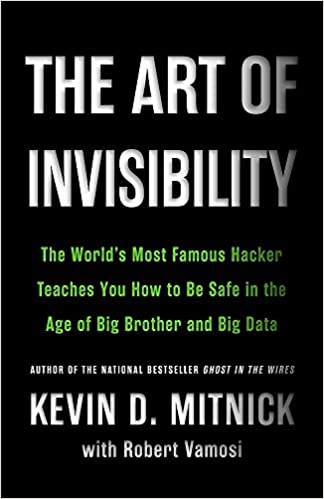
Mitnick writes like a hacker explains a jailbreak — practical, specific, and slightly alarming. Required reading before trusting any platform with your data.
A masterclass in how narrative becomes a weapon — and how due diligence dies when charisma is strong enough.
The definitive Enron story. Read alongside Bad Blood and you start to see a pattern about how institutions fail to stop what they don't want to see.
Dense and essential. The Five Forces changed how I read every business news story. Worth the effort it takes to finish.
Pfeffer doesn't moralize — he describes power as it actually works, not as we'd like it to. Essential reading for anyone who wants to lead.
Political skill is not manipulation — it's the ability to build trust and access resources. This book reframes the concept entirely.
How ideas actually spread. Rogers' adopter categories are a lens I apply to almost every product and policy question I encounter.
The best business book I've read for pure storytelling. The RJR Nabisco LBO is a perfect case study in hubris meeting leverage.
An agenda for building organizations that can actually survive relentless change. Hamel's five priorities — values, innovation, adaptability, passion, ideology — hold up.
Bill Gates calls this his favorite business book. The Xerox story alone is worth the price — how a company can invent the future and still lose it.
The cue-routine-reward loop is everywhere once you understand it. Changed how I approach both personal behavior and marketing strategy.
The six principles are everywhere once you know them. I revisit this regularly — it's as much a defense manual as a persuasion guide.
The membership economy explained clearly. Subscription models require a completely different mindset — this book builds that mindset.